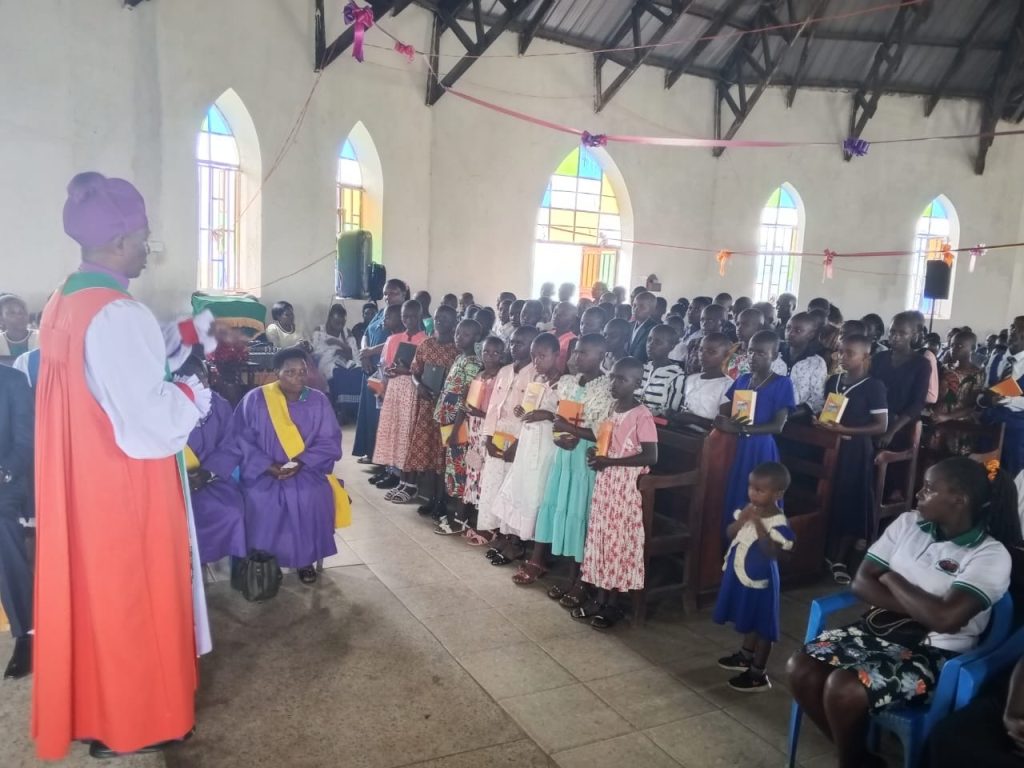
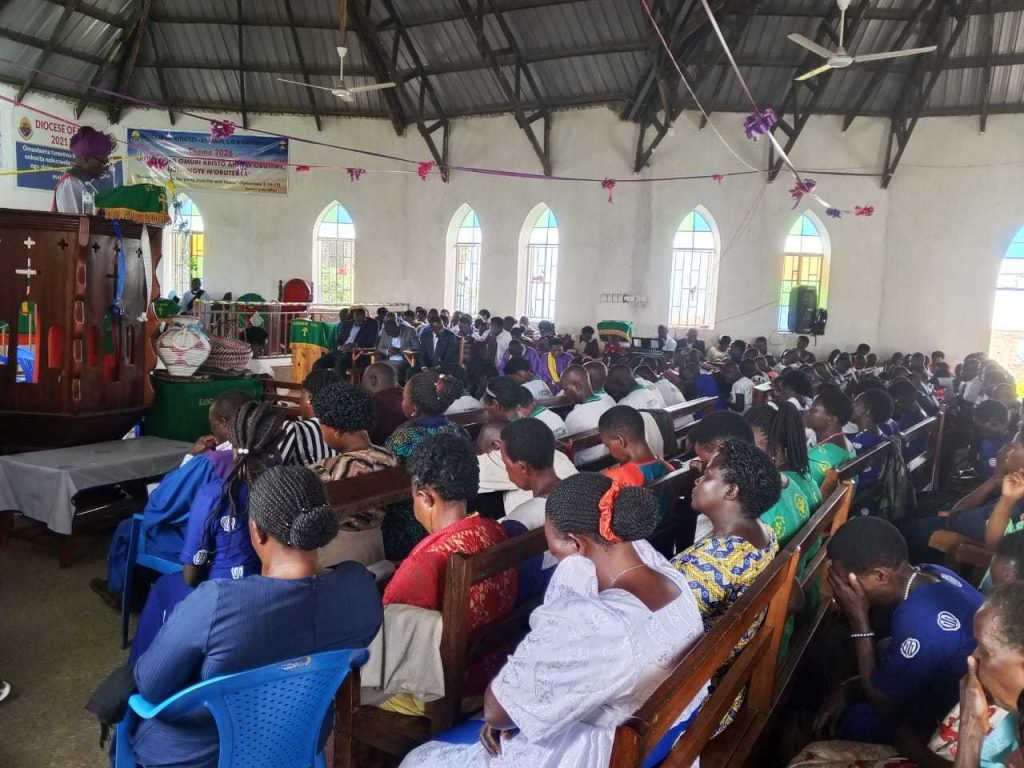
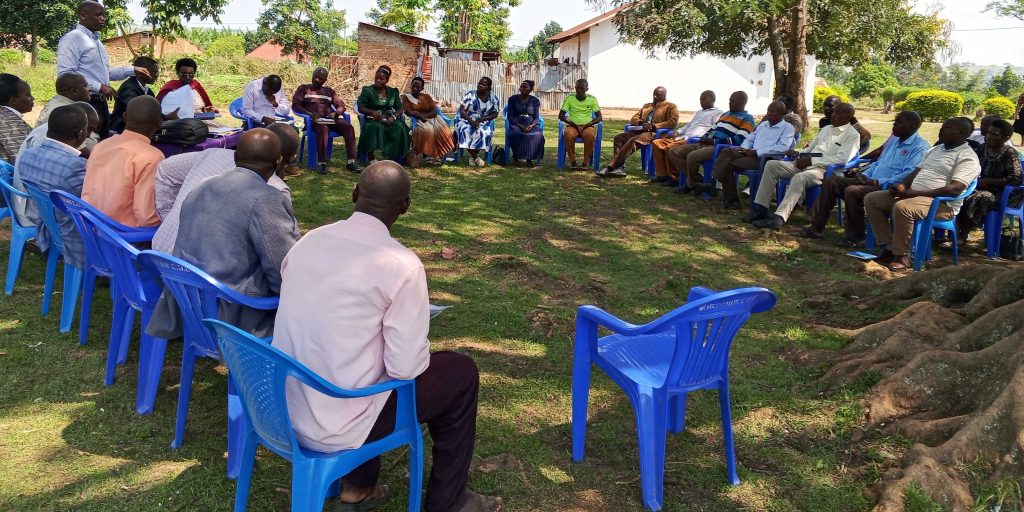
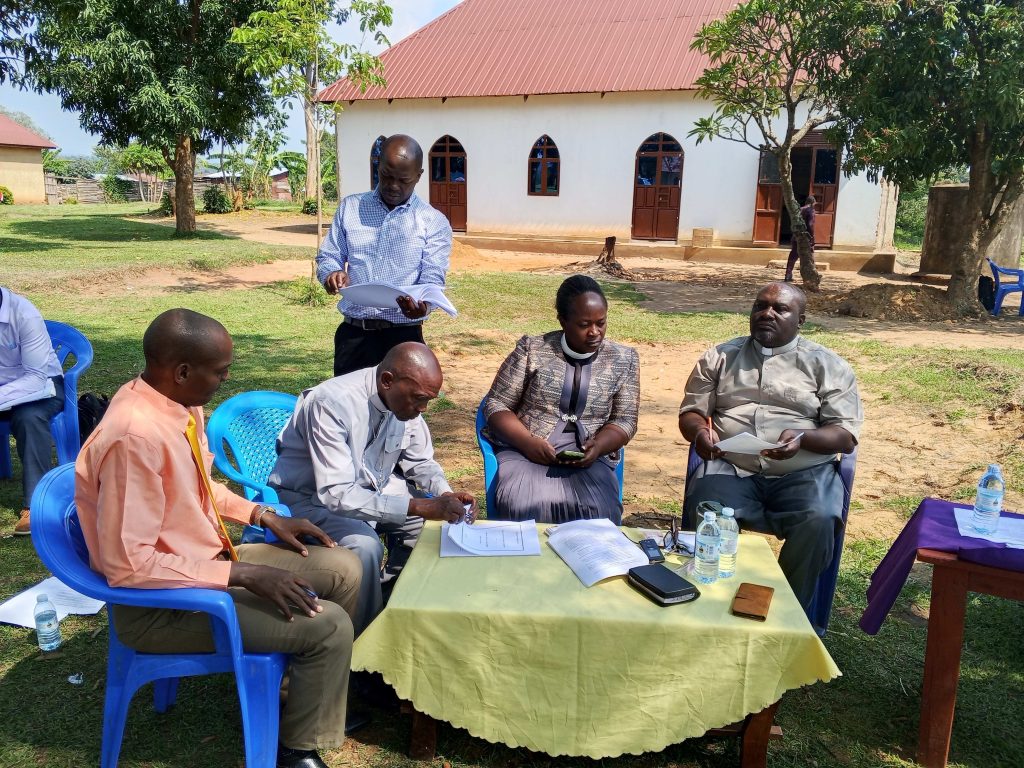
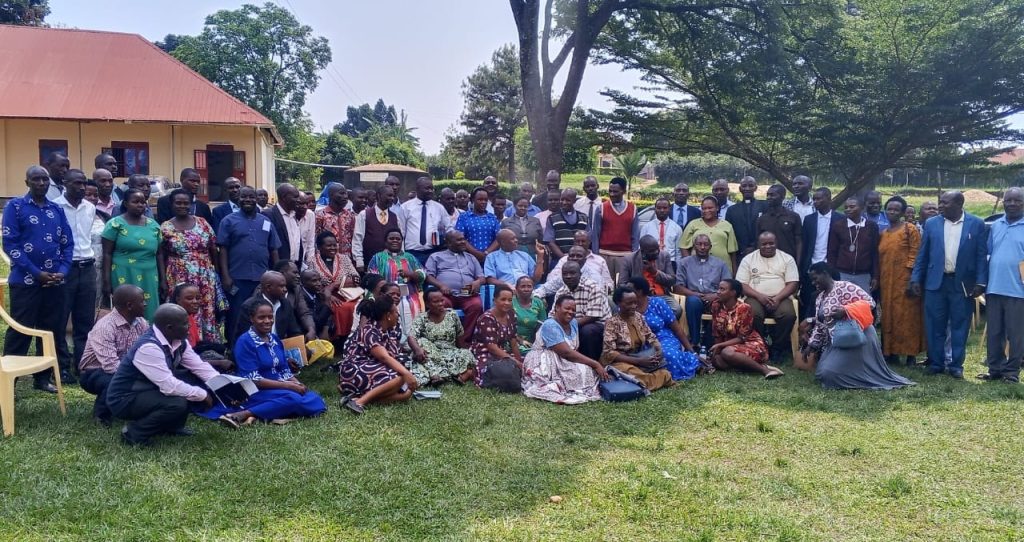
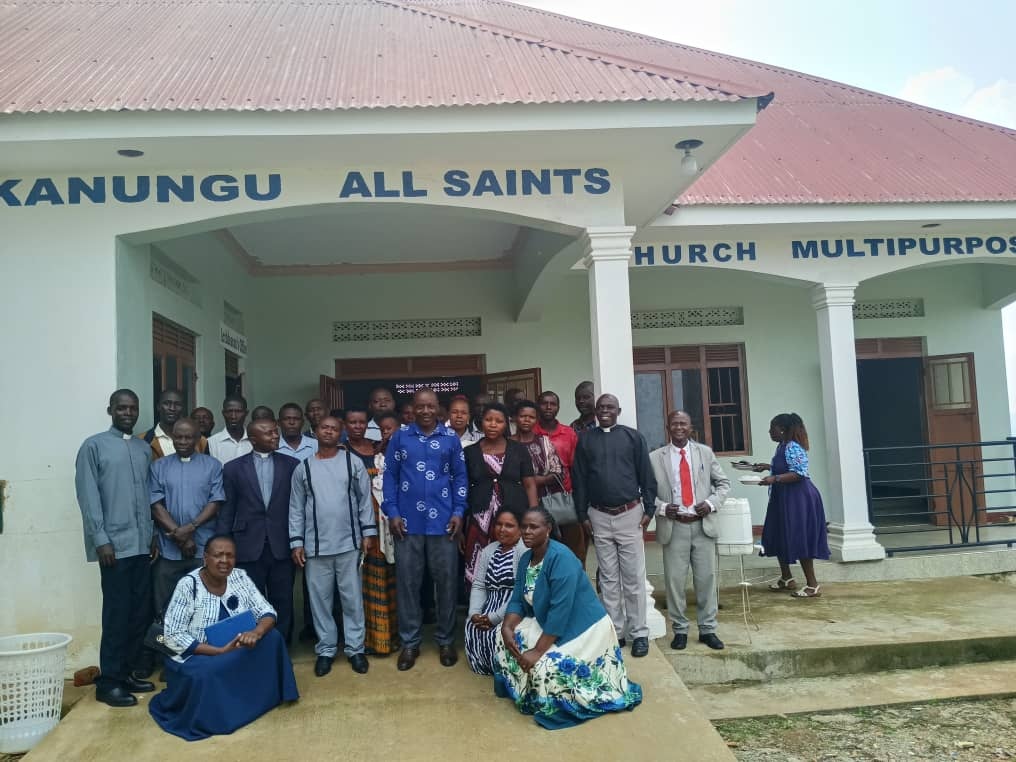
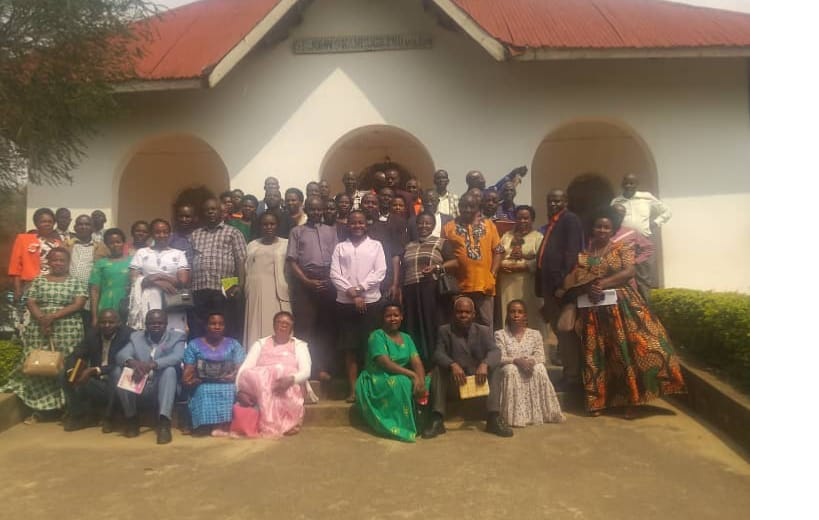
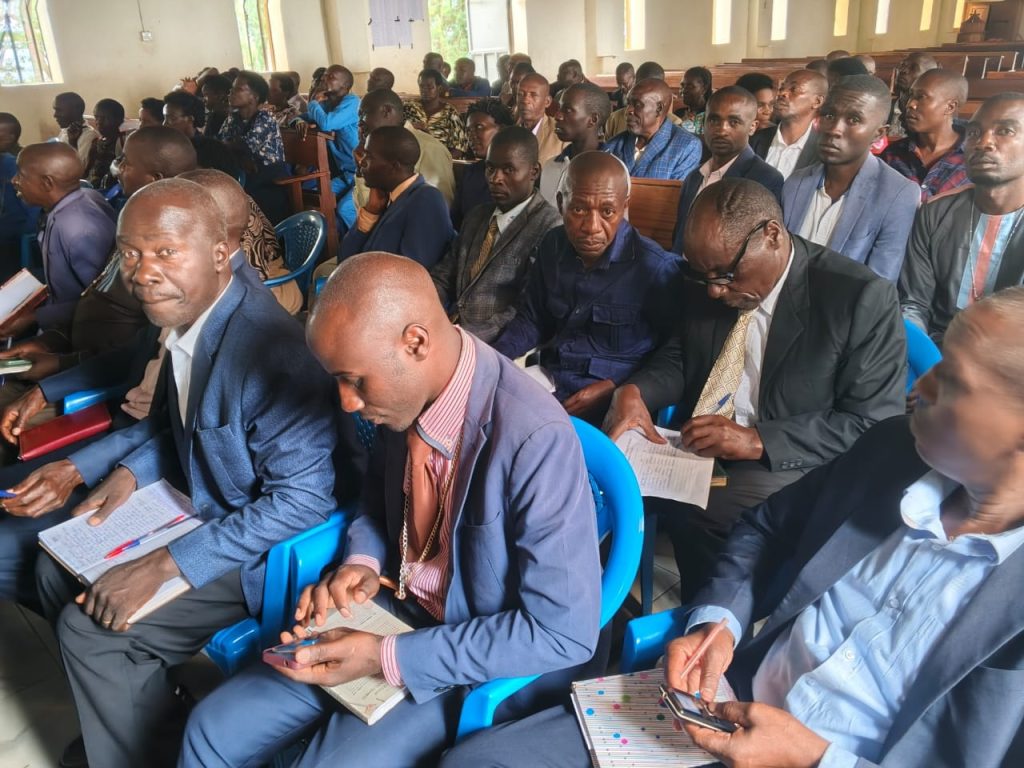
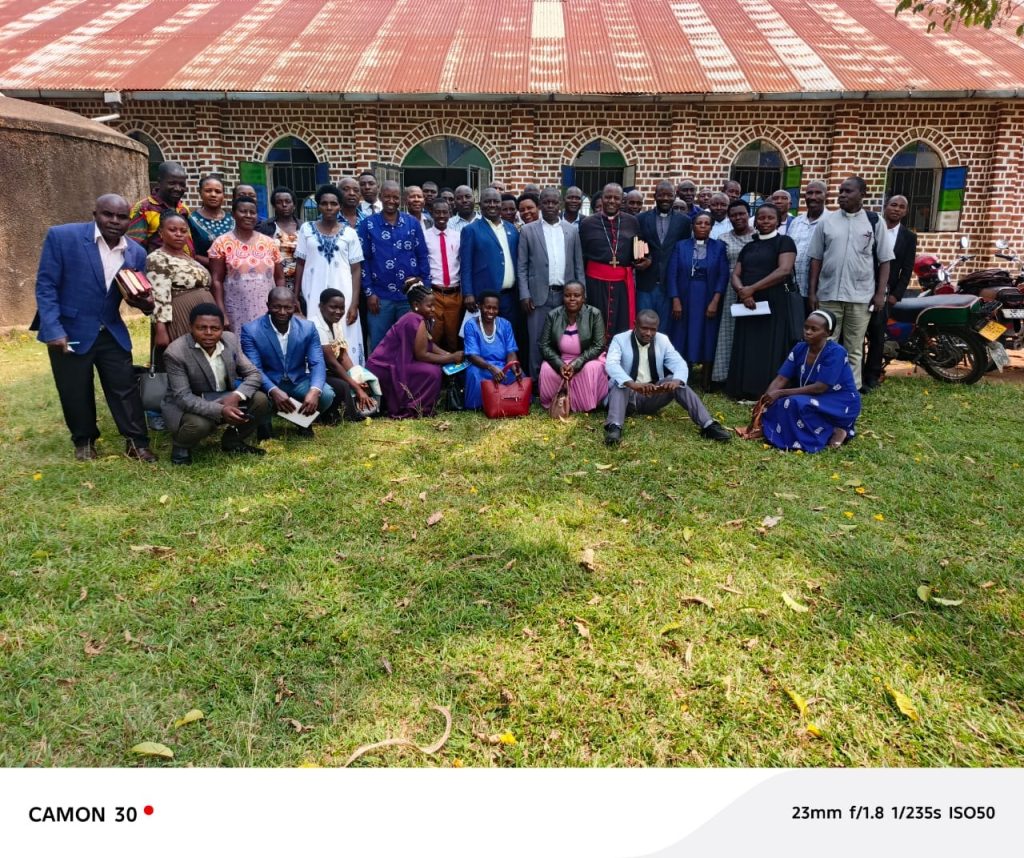
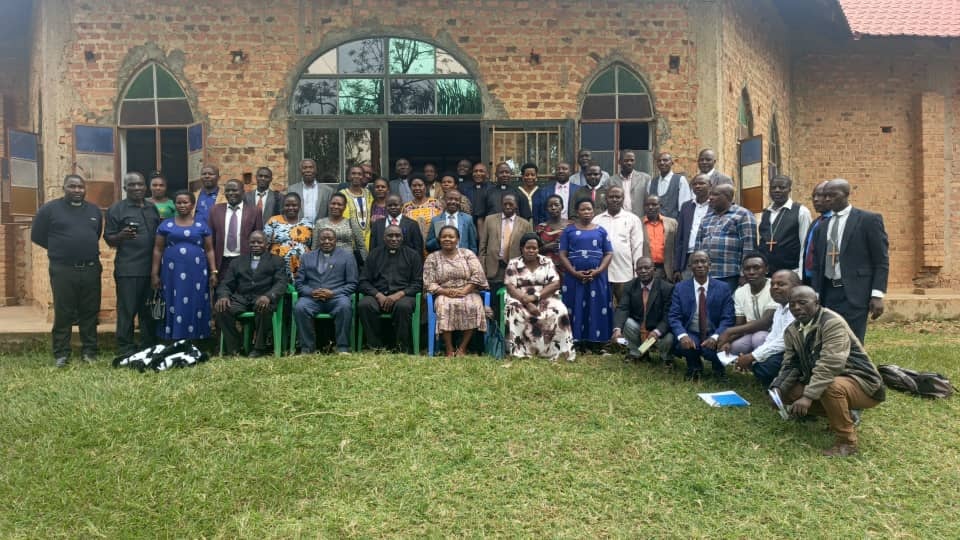
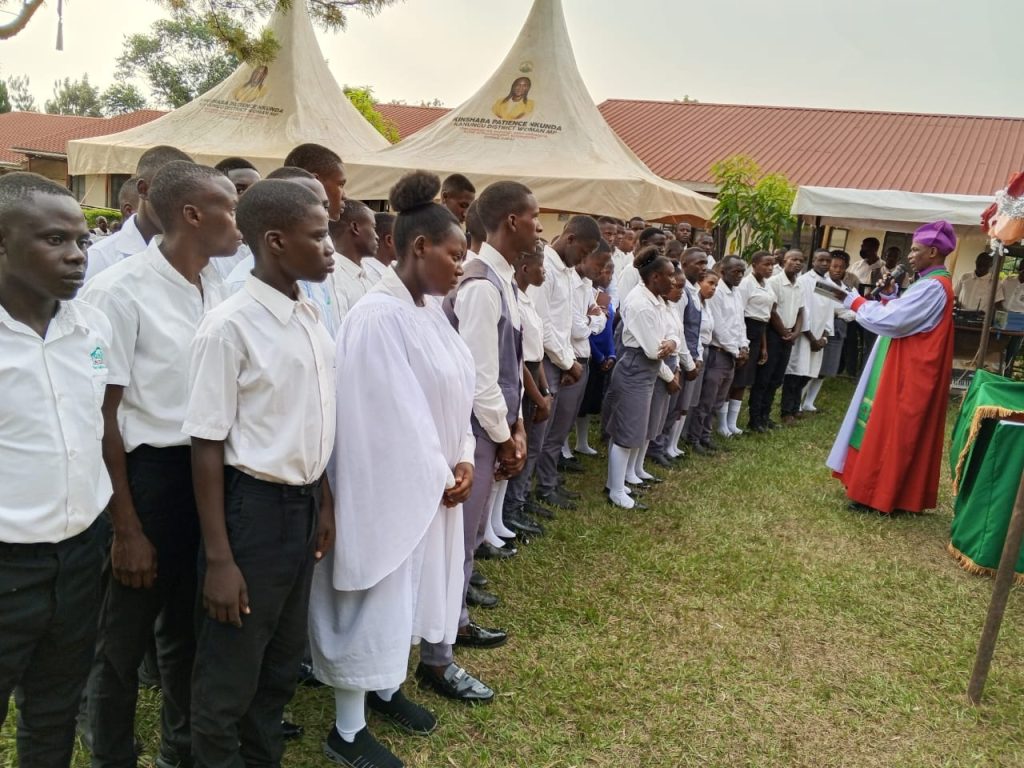
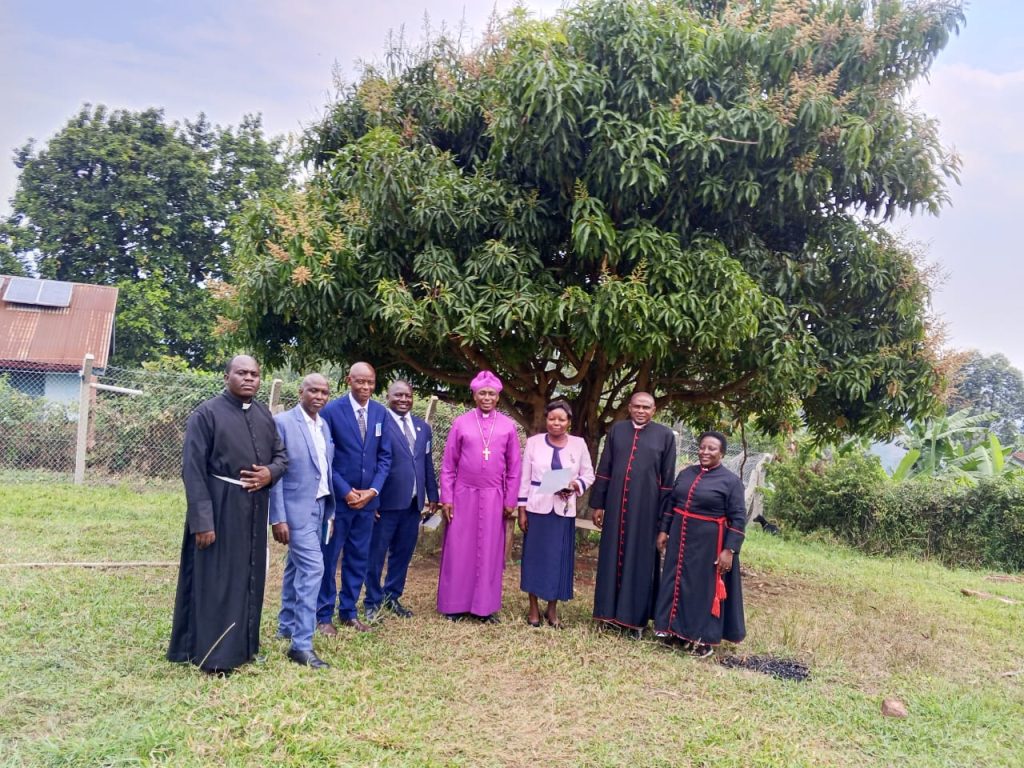
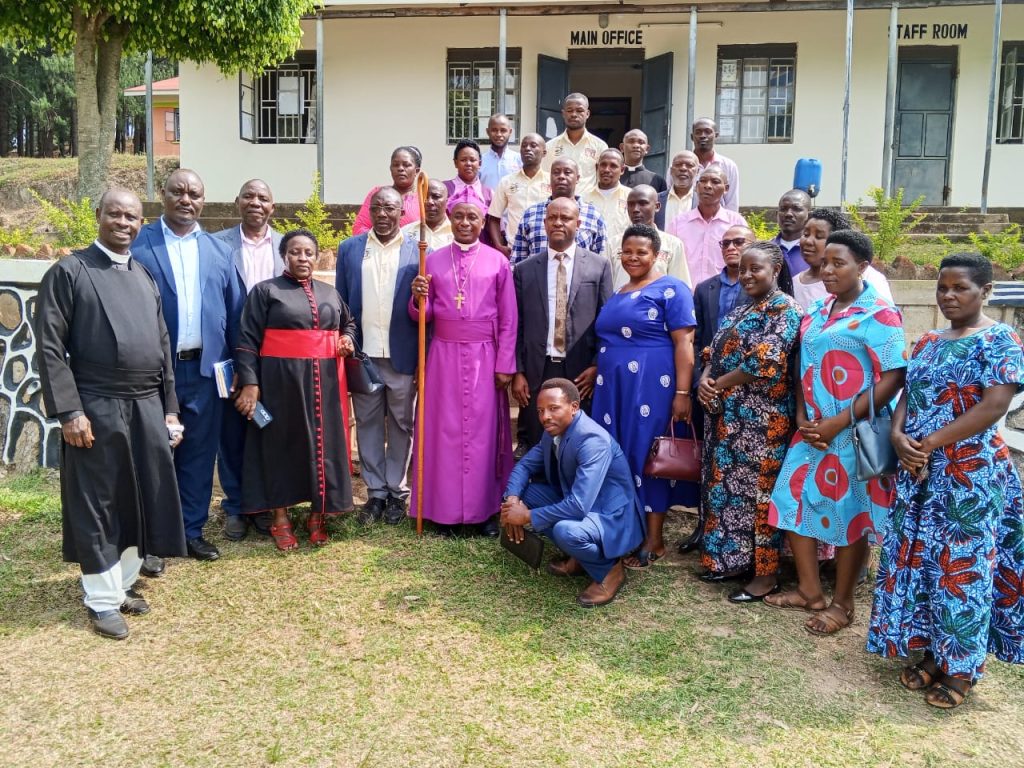
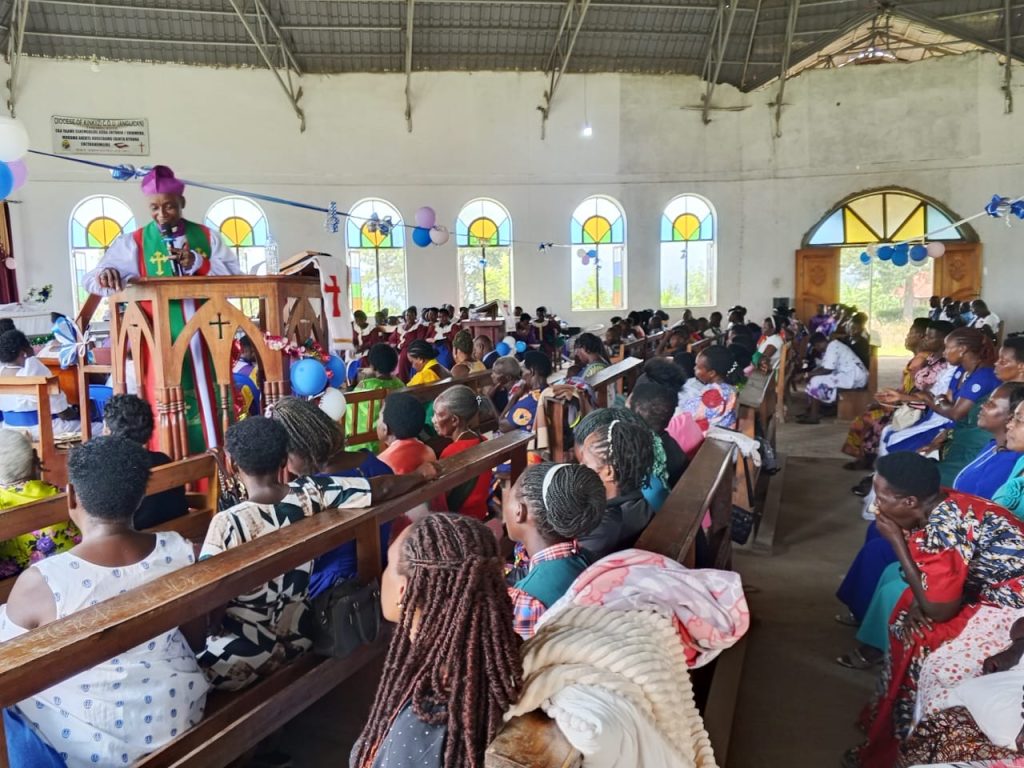
The Bishop of Kinkiizi Diocese, Kanungu District, Rt. Rev. Dan Zoreka, has today reshuffled several clergy members, including Reverends and Archdeacons, during a Diocesan Council meeting held at Kigezi Forest Cottages in Kambuga Town Council, Kanungu District.
The reshuffle affected parish priests, archdeacons, diocesan offices, and newly ordained clergy who recently completed their theology courses.
Key Appointments and Promotions
Rev. Elizabeth Kamara, from Bwindi Community Hospital Parish, has been appointed Diocesan Secretary of Kinkiizi Diocese, replacing Rev. Gad Tibeijuka Ngyemura, who has been posted as Archdeacon of Kayonza Archdeaconry.
Rev. Justus Tukwasibwe, from Ihembe COU, promoted to Archdeacon and posted to Rutenga.
Rev. Julius Twinomugisha, from Buhooma COU, promoted to Archdeacon and posted to Kambuga Archdeaconry.
Rev. Peter Birgira, from Nyakabungo COU, promoted to Archdeacon of All Saints Church, Kanungu.
Rev. Canon James Kabagambe, formerly at St. Peter’s Cathedral, Nyakatare, transferred to Nyamirama Archdeaconry.
Ven. Richard Tumwebaze, from Kihihi Archdeaconry, appointed Sub-Dean at St. Peter’s Cathedral, Nyakatare.
Rev. Canon Bernard Byamugisha posted to Nyamiyanga Archdeaconry.
Newly Ordained Clergy Postings
(All recently completed their theology courses)
Rev. Allan Ampumuza – Kifunjo COU
Rev. Ivan Arinda – Kancerere COU
Rev. Samuel Twinamatsiko – Kinaba COU
Rev. Nelson Bagambe – Mafunga COU
Rev. Martin Mugyeyi – Rutendere COU
Rev. Owen Abaho – Kashojwa COU (newly created parish)
Rev. Levi Twinamatsiko – Karubeizi COU
Rev. Steven Niwabiine – Bishop’s Office (Youth and Children’s Department)
Other Clergy Transfers
Rev. Herbert Kiconco – from Kambuga Archdeaconry to Kihihi Archdeaconry
Rev. Caleb Turyabagyeyi – returned to Bwindi Community Hospital as Chaplain
Rev. Daniel Buregyeya – from Kancerere COU to Kihanda COU as Parish Priest
Rev. Benon Bizimana – from Kihanda COU to Rukarara COU
Rev. Isabella Ampumuza – from Rukarara COU to Nyakabungo COU
Rev. Captain Topher Arineitwe – from Mpungu COU to Kiruruma COU
Rev. Alex Turyasingura – from Kinaba COU to Mpungu COU
Rev. Justus Twinomujini – from Kifunjo COU to Nyamiregyere COU
Rev. Symson Tukamuhabwa – from Karubeizi COU to Ihembe COU
Rev. Hope Mubonefite – from Kanyantorogo COU to Nyamwegabiira COU
Rev. Captain Wilson Mugarura – from Nyamwegabiira COU to Buhooma COU
Rev. Onesimus Byamugisha – from Mafunga COU to Nyarurembo COU
Rev. Bob Mbabazi Ntegyereize– from Bishop’s Office to Centenary COU -Kanyantorogo COU as Parish Priest
Among others
The bishop encouraged the clergy to serve diligently in their new assignments as part of strengthening pastoral leadership and service delivery across Kinkiizi Diocese.